

When you run a travel program that sends groups of people away from home or far overseas, you’re dealing with lots of competing risk management interests. One is the safety and wellbeing of each person, of course. That comes right to mind.
But there’s also the collective care of the rest of the group when there’s an emergency. And then also the administrative challenges for the organization that sent the group. Its liability and reputation too. There’s lots of ways in which these interests collide when there’s a serious accident or an illness; we’ll discuss them.
Can the subtle complexities around medical emergencies be managed with a product that’s as ancient and basic as the horseshoe crab…travel insurance? It’s not a natural fit. Resolving that fit is what I do.
This is a blog about travel insurance, but not about how individuals use it. This is a blog about how groups and their organizations use travel insurance. It’s about managing the risks of medical emergencies on your group travel program and how your group travel insurance should respond to them.
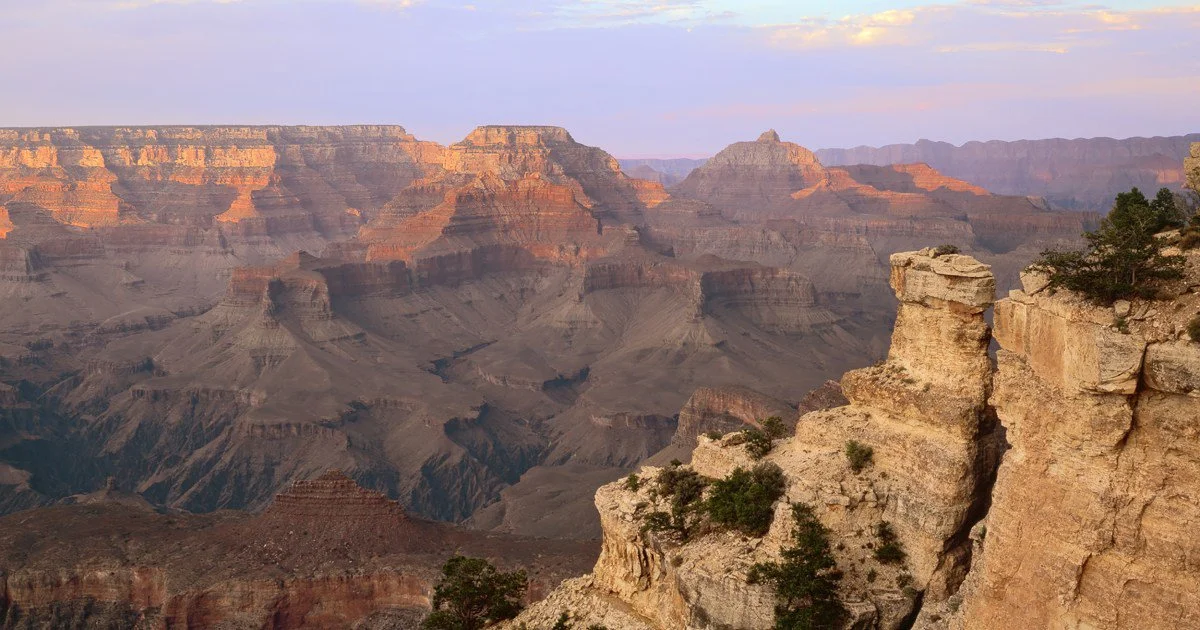
I remember being on a wilderness survival trip in the Grand Canyon years ago. We had climbed down from the rim and then back up and then back down again; I think we were about ten days into a three-week trip. It was amazing; the changing microclimates, the rock stratigraphy, the weight of the pack, the tiny fine painful needles of the teddybear cactus and the camaraderie of the group. I’ve often thought that the way a group comes together is one of the best reasons to go on a trip like that.
One of the members of the group began complaining of pain. He was a guy who was well-enough liked, but maybe not very well known. He gave off a funny loner vibe but was clearly excited to be part of the trip and fully contributory. He started slowing down and talking to the trip leader about what he was feeling, and finally the whole group just stopped and sat down and waited somewhere at the narrow base of the Grand Canyon. I remember the rock walls rising up from the sandy soil there, eventually a mile high.
Somehow we were lucky enough to have a doctor on the trip with us; he was a nephrologist, a kidney specialist. He and the trip leader conferred for a while. And then the trip leader came over to me.
“We’re having a medical problem with Harry,” he said. (A fictional name.) “Trying to figure out if he should keep going with us or get to a hospital. He wants to keep going. And I’ve just been hearing what the doctor has to say. But I know that you are a specialist in risk management for travel-based groups like ours, so I want to hear what you have to say too.”
“What did the doctor say?” I asked.
“The doctor said we should get him out of here.”
“Well, you know,” I said, “then I think that decision is made.”
“Actually”, he said, “I believe that this is my call to make.”
“No”, I said. “Unless you have a medical degree too, at this point it’s not.”
He wasn’t happy. He was a gracious, eminently resourceful, memorable guy. But this was twenty years ago, before the protocol of risk management had taken the draconian hold it has on us now. At that time the tussling relationship between organizational liability and traveler care was still in debate. Many organization leaders told me in those days that they were confident that they’d fully avoided liability through the use of tools like waivers and contractors. Later on it became clear that they had not.
He transferred essential items into his day pack, left us hunkered down with the patient and the other trip leader, and started the ascent by foot. We watched him use the mountain rest step for steady progress up the side of the Grand Canyon until he was out of sight. We figured we’d see medical help in two days.